U.S. school libraries are new culture war battlegrounds, with record book challenges in 2023 targeting LGBTQ+ and racial themes, per the ALA. Yet in Issaquah, Washington, that national trend has barely registered—and it continues to hold steady into 2026.

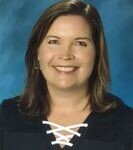
“I have not had any official book challenges as a librarian,” says Teal Morse, an ISD (Issaquah School District) elementary librarian. “I feel very fortunate to work in a community that strongly supports the library.”
A National Surge—And a Local Contrast
Driven by advocacy and state laws, book bans persist, with 6,870 recorded in 2024-2025 by PEN America (nearly 23k since 2021). These bans, often targeting LGBTQ+, racial, and gender-identity themes, show a “disturbing normalization,” with state mandates and rhetoric encouraging educator self-censorship, reports this PEN America report.
Washington state takes a notably different approach
In June 2024, the state enacted House Bill 2331. It prohibits schools from banning books solely because they center on protected classes such as race, religion, gender identity, or sexual orientation. The law also limits who can challenge a book—allowing complaints only from parents or guardians of enrolled students. As of early 2026, HB 2331 remains in full effect with no reported successful challenges or legislative reversals, helping reinforce protections statewide.
In Issaquah, Morse says the law didn’t overhaul district practices but did reinforce transparency and early education about student rights, helping prevent conflicts before they escalate. The district has received no book challenges or policy updates related to materials selection for the 2025–2026 school year.
“HB 2331 mainly prompted district leaders and the school board to make sure the process for challenging books is very clearly laid out and communicated to the community,” she explains. That helps build confidence in the district’s approach.
A Clear Process, Before Conflict Begins
The Issaquah School District provides a public policy for selecting, reviewing, and reconsidering books. The framework emphasizes educational merit, age appropriateness, and exposure to diverse perspectives while upholding intellectual freedom. The district’s regulations continue to be updated as needed for state compliance and best practices, with no recent material changes to library-related policies.
Unlike districts that pull books immediately after a complaint, Issaquah requires a formal review before taking any action. Materials remain available during the process.
For Morse, that clarity matters. “When families know there’s a fair, structured process in place, it helps prevent knee-jerk reactions,” she said.
Choice, Not Censorship
Morse says most concerns never escalate to formal challenges. “When parents express discomfort with a specific book, we individualize the response rather than restrict it.”
 “I always tell families that students have 100% choice in what they read,” she said. “If a student brings home a book their family isn’t comfortable with, they return it, and I help them find something else,” fostering a sense of empowerment for students. That approach, she says, protects parental involvement without limiting access for other students.

Teaching Kids About Banned Books—Early
Even without local challenges, Morse ensures students understand the broader national conversation about censorship. Every October, she leads age-appropriate lessons during Banned Books Week. An annual initiative that highlights titles schools and libraries have banned or challenged across the country.
 “The students are always fascinated,” she said. “They want to know how or why books are banned in other places.” Those discussions often lead to early lessons in autonomy and critical thinking. “They start to understand that everyone should get to decide what books are right for them,” she said. “That’s powerful for elementary-age students.”
Librarians on the Front Lines
Nationally, school librarians have increasingly found themselves defending access to books amid political pressure, threats of defunding, and public backlash. The ALA’s Office for Intellectual Freedom reports that a majority of challenges now originate from organized pressure groups rather than individual parents.
Morse hasn’t seen advocacy groups like the ACLU of Washington or the Washington Library Association intervene locally; she considers their work as vital. “I see the role of the school librarian as essential,” she said. “Libraries are sacred places where every person can find what works for them.”
A Model for What’s Possible
As school districts nationwide grapple with censorship battles—and as PEN America’s data shows a normalization of removals even amid some decline in raw numbers—Issaquah offers a quieter counter-narrative: that firm policies, community trust, proactive education, and strong state protections like HB 2331 can prevent conflicts, curb self-censorship, and protect access to books.
Morse hopes students leave her library with more than just reading skills. “Above all else,” she said, “I want them to understand the most important idea of all: Free people, read freely.”
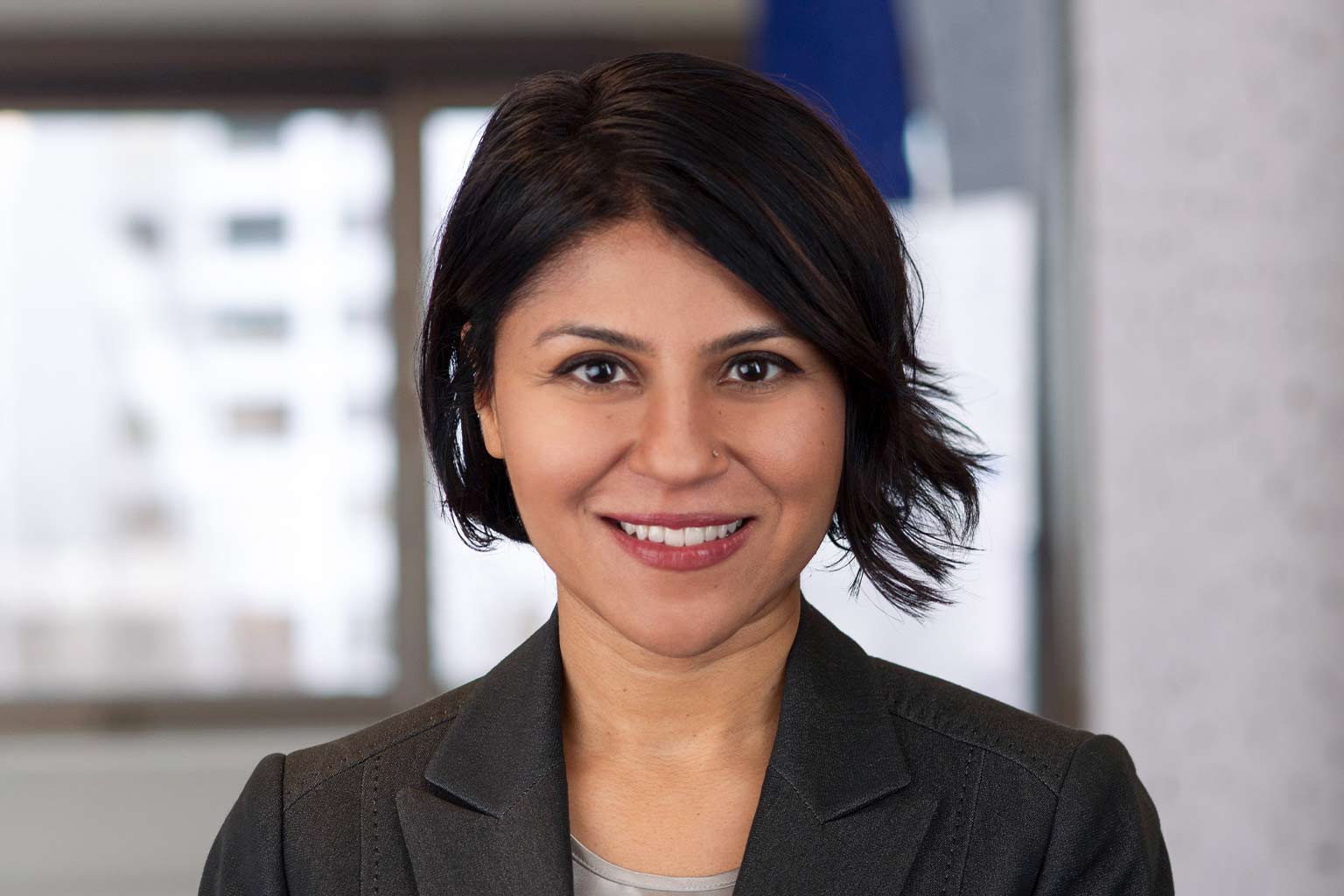 Maheen Mustafa wrote this piece. As a social impact journalist, former director of the Committee for Children, and founder of MTG—a Seattle-based media outlet and production house dedicated to elevating BIPOC and immigrant narratives-she exemplifies leadership in media that drives social change. She is also the host, director, and writer of @TheAmericanSide – Follow her @MaheenM_ to see her work in action.